

Fueling Your Recovery: A Patient’s Guide to Post-Surgical Nutrition
Have you ever wondered what to eat—or avoid—after periodontal surgery and why it matters so much for healing? The truth is, your daily food choices during recovery can directly influence comfort levels, swelling, tissue repair, and how smoothly your gums heal over the first two weeks. Knowing what to expect takes the guesswork out of recovery and helps protect your results from the very start.
At Sarasota Periodontal Associates, Dr. Farris, Dr. Gonzalez, Dr. Sharma, Dr. Little, and Dr. Zegarra guide patients through every stage of periodontal surgery recovery with clear, practical instructions that support healing and confidence. If you want personalized guidance during your recovery, call our Sarasota office at 941-366-6161, our Venice office at 941-485-1133, or our Lakewood Ranch office at 941-907-7310. Our Sarasota periodontists serve patients and families from the nearby communities of Osprey, Bradenton, and Nokomis.
Key Gum Surgery Recovery Facts
- A soft food diet is essential for the first one to two weeks after periodontal surgery to protect the healing gum tissue.
- Avoid hard, crunchy, sticky, and spicy foods because they can irritate surgical sites and slow healing.
- Protein-rich soft foods (eggs, yogurt, fish, smoothies) support tissue repair and recovery.
- Hydration supports healing and reduces inflammation, making water and broth-based foods important choices.
- Very hot foods and drinks should be avoided early on to prevent irritation and disruption of healing tissue.

Why Choose Our Periodontal Team for Gum Surgery
SAt Sarasota Periodontal Associates, we know that surgery is more than just a clinical procedure. It is an emotional investment in your health. Our periodontists, board-certified by the American Board of Periodontology, utilize high-level techniques to shorten your recovery time.
Whether you are from Bradenton, Osprey, or North Port, we treat every patient like a neighbor. We recognize that recovery is a mental journey. When you are feeling frustrated or tired of eating soup, remember the goal: a permanent, healthy smile that you will enjoy for decades.
We maintain offices in Sarasota, Venice, and Lakewood Ranch to support you throughout this journey. We are not just performing surgery; we are partnering with you until you are fully back to enjoying your favorite local meals again.
Days 1–3: The Soft and Cool Phase
For the first 72 hours, your goal is simple: avoid chewing and keep things cool. Heat can increase blood flow to the surgical area, which may cause throbbing. Stick to cold or room-temperature foods.
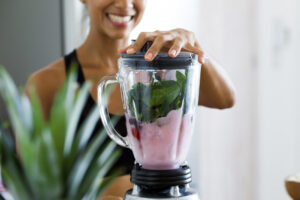
- Smoothies: This is your best friend. Load them with protein powder, yogurt, and soft fruits like bananas. Avoid berries with small seeds, as these can get stuck in the surgical site.
- Greek Yogurt: High in protein, which helps repair tissue.
- Applesauce: Easy to swallow and requires zero chewing.
- Chilled Soups: Gazpacho or blended vegetable soups are perfect.
Local Tip: If you are near our Sarasota office, grab a high-quality, seedless smoothie from a local juice bar. Just remember to skip the straw. The suction from a straw can dislodge the blood clot forming over your surgical site, leading to a painful condition called dry socket. Use a spoon instead.
Days 4–7: Introducing Warmth and Texture
By day four, you can start introducing slightly warmer, soft foods. You want to maintain a “fork-tender” consistency. If you can mash it easily with a fork, it is generally safe to eat.
- Scrambled Eggs: Soft, protein-packed, and easy to chew.
- Mashed Potatoes or Sweet Potatoes: A classic comfort food. Keep them smooth without chunky skins.
- Avocado: Excellent source of healthy fats for sustained energy.
- Pastina or Soft Pasta: Overcook your pasta slightly so it offers little resistance when you eat it.
If you are recovering at home in Lakewood Ranch or visiting us in Venice, try to focus on slow, deliberate chewing using the side of your mouth that was not operated on. Avoid “rushing” your meals. Your body is directing significant energy to your gums, so eat slowly and mindfully.
Days 8–14: Transitioning Back to Normal
By the second week, many patients feel ready to advance their diet. You can begin to incorporate “fork-tender” proteins like flaked fish or well-cooked ground turkey. However, keep the “Red Light” list below in mind for at least another week to protect the delicate tissue.
 The “Red Light” List: Foods to Avoid After Gum Surgery
Certain foods act like sandpaper on a healing wound. Avoid these until your follow-up appointment with Dr. Farris, Dr. Gonzalez, Dr. Sharma, or Dr. Little:
- Crunchy/Sharp Foods: Chips, crackers, popcorn, and nuts. These are the primary enemies of healing gums. They can puncture the surgical site or get lodged underneath the gum line.
- Spicy Foods: Hot sauce, salsa, and peppers cause inflammation and stinging sensations that will make recovery uncomfortable.
- Acidic Foods: Citrus fruits (lemons, limes, oranges) and tomatoes can irritate the fresh incision.
- Sticky/Chewy Foods: Gum, taffy, or gummy candies. These exert unnecessary pull on the surgical site and can disrupt healing sutures.
A Smoother Recovery Starts With the Right Nutrition
What you eat after periodontal surgery plays a direct role in how comfortably and effectively your gums heal. While recovery can feel like a temporary adjustment, choosing soft, nutrient-rich foods and avoiding irritants helps protect delicate surgical sites, reduce inflammation, and support steady tissue repair throughout the first two weeks.
If you have questions about your recovery or need personalized post-surgical instructions, call our Sarasota periodontal office at 941-366-6161, our Venice office at 941-485-1133, or our Lakewood Ranch office at 941-907-7310. Our Sarasota periodontists proudly serve patients and families from Osprey, Bradenton, and Nokomis, helping make recovery more manageable, comfortable, and predictable from start to finish.